Skip to content
Getting visitors to your website is important, but turning them into customers is even more crucial. Many businesses spend a lot on attracting traffic but forget to focus on conversion rate optimization. This strategy helps you get more value from your existing visitors by encouraging them to take action, like making a purchase, signing up for a newsletter, or downloading a resource.
Conversion rate optimization (CRO) is the process of improving your website and marketing funnel to get more visitors to complete your desired actions. By applying CRO strategies, you can increase sales, leads, and engagement without spending more on ads.
What Is Conversion Rate Optimization?
Conversion rate optimization is the process of improving your website to get more conversions. A conversion is any action you want users to take. It could be making a purchase, filling out a form, signing up for a newsletter, or downloading a resource. Instead of spending money on attracting more visitors, CRO focuses on making your current traffic more effective. CRO is a continuous process. It requires testing, analysis, and optimization to get the best results. The benefits of conversion rate optimization include:
- More revenue from the same traffic
- Better user experience
- Lower marketing costs
- Insights into user behavior
Why Conversion Rate Optimization Is Crucial for Your Business
Many businesses focus solely on generating traffic, often overlooking the potential to increase conversions from existing visitors. Imagine having 10,000 monthly visitors but converting only 1%. With conversion rate optimization, even a small increase in conversion rate can have a massive impact. For instance, improving your conversion rate from 1% to 3% could triple your revenue without additional ad spend.
CRO is not merely about tweaking buttons or changing colors. It’s a data-driven approach that involves understanding visitor behavior, identifying friction points, and implementing improvements that encourage action. Companies investing in conversion rate optimization consistently outperform competitors because they are able to extract maximum value from every visitor.
Powerful Conversion Rate Optimization: 10 Proven Tactics
Turning visitors into customers is one of the biggest challenges for any website. Even if you have plenty of traffic, low engagement or sales can mean lost opportunities. If you want to get more value from your website visitors, applying the right strategies can make a big difference. Here are ten proven tactics that can help you double conversions and improve overall results.
1. Optimize Your Landing Pages
The landing page is often the first thing a visitor notices. A clean, simple design with one clear goal can make a huge difference. Use concise and persuasive text, high-quality images, and remove anything that might distract visitors. Focus on what the visitor should do next. A well-organized landing page immediately captures attention and encourages users to take action, setting the stage for higher conversions.
2. Use Strong Calls-to-Action (CTAs)
Calls-to-action guide visitors toward your desired outcome. Instead of generic buttons like “Submit,” use clear phrases such as “Get Your Free Guide” or “Start Your Free Trial.” Position them where visitors can easily see and click them. Strong CTAs make it obvious what users should do, increasing the likelihood that they follow through. Repeating key CTAs in different areas of the page can also improve results.
3. Show Social Proof
People trust what others have experienced. Adding reviews, testimonials, ratings, and case studies helps build credibility. When potential customers see that others have benefited from your service or product, they are more likely to take action. Highlighting social proof on your website reassures visitors and strengthens their confidence in choosing your business.
4. Test with A/B Experiments
A/B testing is one of the most effective ways to find what works best. Create two variations of a page or element and compare the performance. Test headlines, images, colors, buttons, and layouts to see which version engages visitors more. Regular testing allows you to make informed decisions rather than relying on guesses. Over time, this approach leads to continuous improvement and better results.
5. Simplify Your Forms
Long or complicated forms can be a major barrier. Only ask for essential information and make them easy to fill out. Shorter, simpler forms increase the chances that visitors will complete them. Consider adding features like autofill or dropdown menus to make the process even smoother. Every extra field you remove increases the likelihood of successful submissions.
6. Speed Up Your Website
Website speed is a key factor in conversion rate optimization. Visitors expect fast-loading pages. A slow site can frustrate users and increase drop-offs. Compress images, remove unnecessary scripts, and use reliable hosting to improve load times. The faster your site loads, the more likely visitors are to stay engaged and take action, which leads to higher conversion rates.
7. Personalize Experiences
Visitors respond better to content that feels tailored to them. Show personalized recommendations, targeted offers, or location-specific messages. Personalization makes users feel valued and can significantly increase engagement. Simple adjustments based on browsing behavior or past interactions can make a big difference in how visitors respond to your site. Personalization is a modern tactic in conversion rate optimization.
8. Make Your Site Mobile-Friendly
A large number of users access websites via mobile devices. Ensure your website is responsive, loads quickly, and has buttons that are easy to tap. Forms should also be mobile-optimized, allowing visitors to complete actions effortlessly. Mobile-friendly design ensures you don’t lose potential customers due to poor usability.
9. Create Urgency and Scarcity
Encouraging users to act quickly can boost conversions. Use strategies such as limited-time offers, countdown timers, or low-stock notifications. These tactics create a sense of urgency that nudges visitors to take action immediately rather than postponing their decision. When applied correctly, urgency and scarcity can significantly increase engagement.
10. Use Data to Improve
Data is essential for understanding visitor behavior and improving your site. Track metrics such as conversions, click-through rates, and bounce rates. Analyze the information to identify which areas need improvement and make adjustments accordingly. Regularly reviewing and acting on data ensures that your website continues to perform effectively and meet your goals.
The ROI of Conversion Rate Optimization
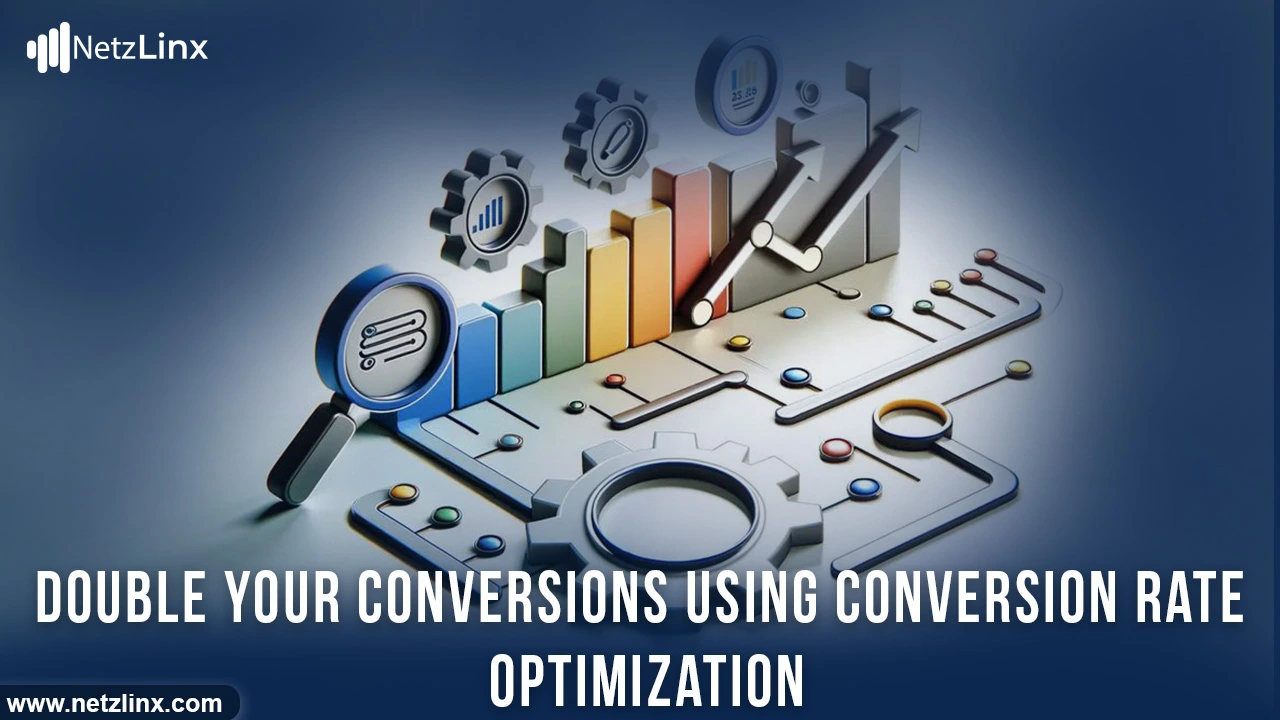
Investing in conversion rate optimization yields high returns because it maximizes the potential of your existing traffic. Instead of increasing ad spend to attract new visitors, CRO focuses on turning the traffic you already have into paying customers. The result is higher revenue, improved user satisfaction, and stronger brand loyalty. Companies that consistently implement CRO strategies can achieve sustainable growth and gain a competitive edge in their industry.
Conclusion
Increasing conversions doesn’t always mean attracting more traffic. With effective conversion rate optimization, you can make your website more efficient, enhance user experience, and boost revenue. The key is understanding your audience, testing different approaches, and optimizing every step of the user journey.
By tracking data, analyzing performance, and implementing continuous improvements, your website can perform at its best. Conversion rate optimization not only increases conversions but also builds trust, engagement, and long-term loyalty among your visitors.
Ready to take your website to the next level? Partner with Netzlinx today and double your conversions. Our team of experts will help you implement proven strategies, create impactful CTAs, and turn visitors into loyal customers.
Frequently Asked Questions
1. What does “conversion” mean in online marketing?
A conversion is when a visitor takes a desired action on your site, such as signing up, filling a form, making a purchase, or downloading a resource. It’s not always a sale; smaller actions like newsletter signups are conversions too.
2. Why should I focus on improving conversions?
Improving conversions lets you make more from the traffic you already have. Instead of spending more on ads, you maximize existing visitors, which lowers marketing costs and increases overall return on investment.
3. How is conversion performance measured?
Conversion performance is usually shown as a percentage, the number of conversions divided by total visitors. For example, if 1,000 visitors result in 50 conversions, the conversion percentage is 5%.
4. Do I need a full website redesign to improve performance?
Not always. Many improvements come from testing and tweaking small elements like buttons, headlines, or forms first. A complete redesign is sometimes useful but not always necessary.
5. How long does it take to see improvement?
Some changes might show results within a few weeks, but meaningful and sustained improvement typically takes time, often a few months, as you gather data and refine your approach.
6. What is A/B testing, and why is it used?
A/B testing involves comparing two versions of a page, email, or element (like button text) to see which performs better. It’s a reliable way to test changes before making them permanent.
7. What elements should I test first?
Common things to test include headlines, call‑to‑action buttons, images, form design, page layout, and content order. These often have a direct impact on visitor decisions.